
How to Navigate Public Transportation in Paris Like a Local
Paris is one of the most walkable cities in the world, but to truly experience everything the City of Life has to offer, mastering public transportation is essential. From iconic landmarks spread across different neighborhoods to day trips just beyond the city limits, Paris’s transit system makes getting around easy, affordable, and surprisingly efficient once you understand how it works. This complete guide breaks down everything you need to know, step by step, to using the public transportation in Paris, especially for first timers.
*This site contains affiliate links! When you book anything or purchase through the links on this site, I may make a small commission at no additional cost to you.*
Understanding Paris’s Public Transportation System
Paris has one of the most extensive public transportation networks in Europe, operated by RATP within the city and SNCF for regional routes.
The system includes the Paris Metro, buses, trams, and the RER suburban train network. Together, these options allow you to reach nearly every corner of Paris and beyond, including major airports and popular day trip destinations.
Understanding how these systems work together will help you choose the best option depending on where you’re going, how much time you have, and whether you want speed or sightseeing along the way.
The Paris Metro is the backbone of the system, with 16 lines and over 300 stations spread throughout the city. It is fast, frequent, and ideal for traveling short to medium distances within Paris.
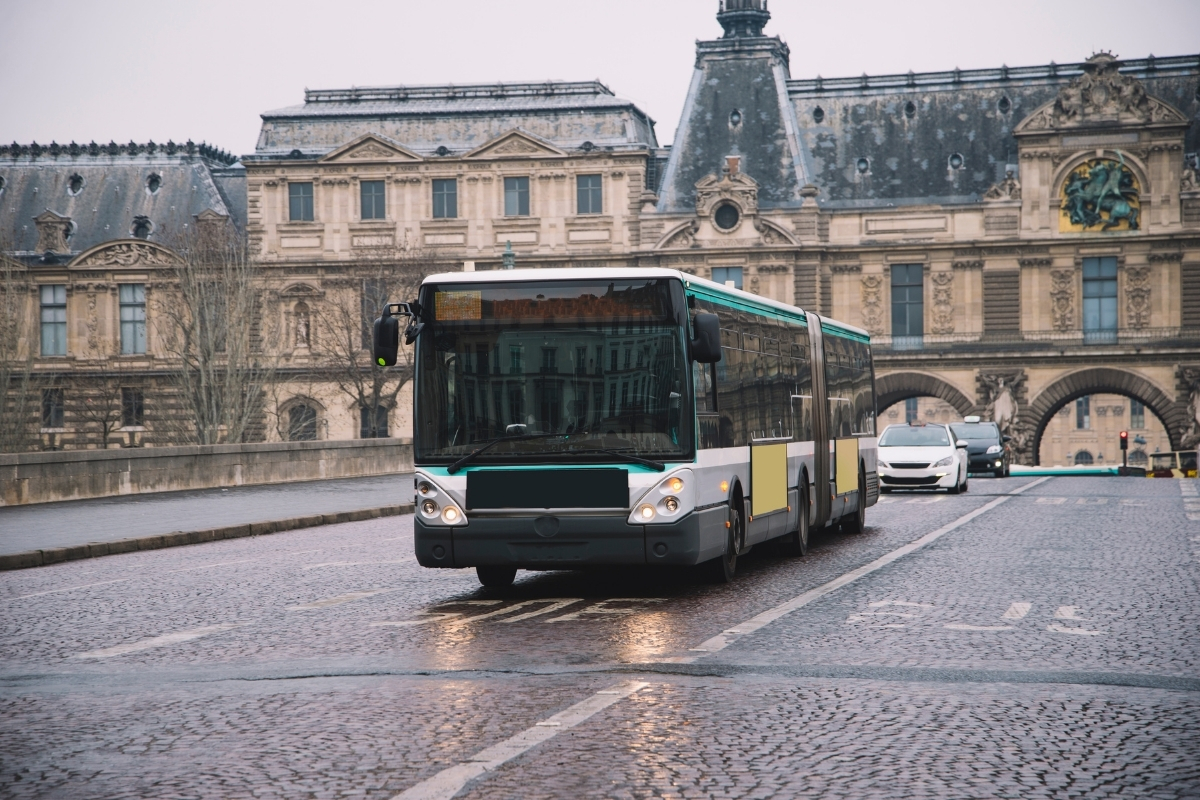
Buses compliment the metro by offering scenic routes above ground and access to areas not directly served by metro lines. The RER trains connect central Paris with suburbs, airports, and destinations like Versailles and Disneyland Paris.

How to Purchase Public Transit Tickets
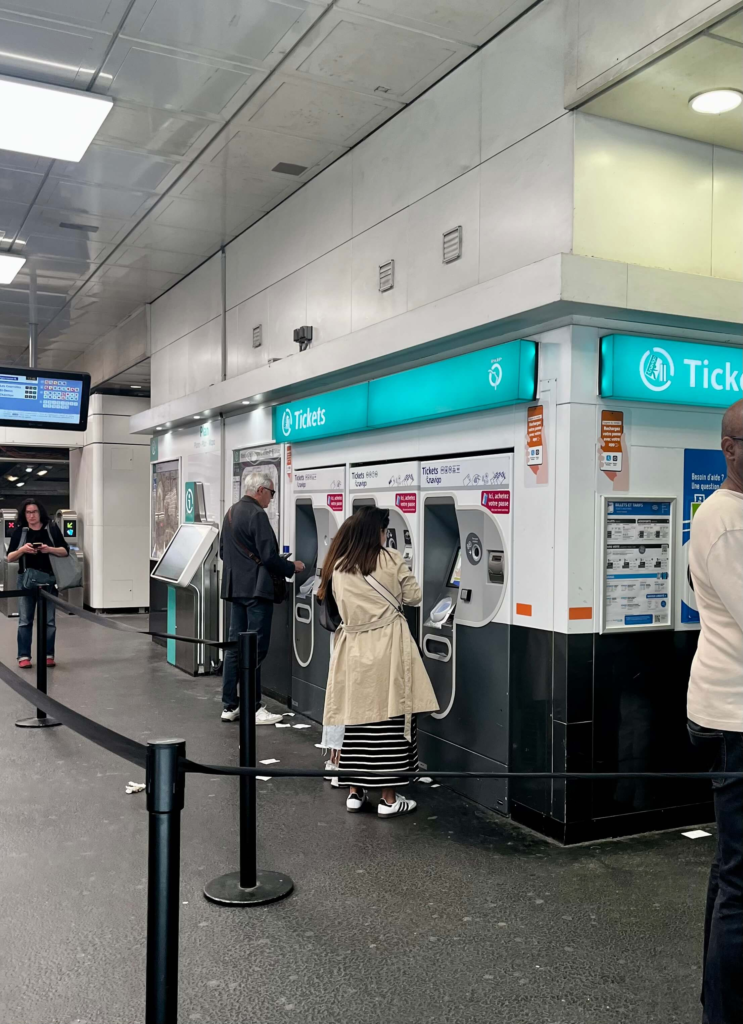
Buying tickets for public transportation in Paris is straightforward once you know where to look. Tickets can be purchased at metro and RER stations, either from staffed ticket windows or automated machines.
Most machines offer multiple language options, including English, and accept credit cards and cash. Contactless payment methods are increasingly common, though having a backup payment option is always a good idea. The machines are user friendly and simple to use.
You can also buy tickets using mobile apps such as Bonjour RATP or Île-de-France Mobilités, which allows you to purchase or load tickets onto your phone or a virtual Navigo pass. Physical tickets are still widely used, but Paris is gradually transitioning toward digital options, especially for frequent travelers.
When purchasing tickets, it’s important to keep them until you exit the station or complete your journey. Ticket inspections are common, and fines for traveling without a valid ticket can be expensive, especially as a foreigner.
Different Ticket Options
Paris offers several ticket options depending on how long you’re staying and how often you plan to use public transportation. Choosing the right one can significantly reduce your transportation costs during your trip.
Single Tickets (Ticket t+)
The Ticket t+ is the standard single-ride ticket used for the Paris Metro, buses, trams, and certain RER zones within the city.
One ticket allows a single journey, including transfers between metro lines or RER trains within Paris, but not between metro and bus systems. For buses and trams, transfers are allowed within a limited time window.
This ticket is ideal for travelers who plan to walk most of the time or only use public transportation occasionally. Buying tickets in a bundle, often referred to as a carnet, is more cost-effective than purchasing single tickets individually.
The Metro-Train-RER tickets are valid within a 2 hour limit and without leaving the network. These tickets are €2.50 for a single ticket. Bus-Tram single tickets cost €2.00 within a 90-minute limit.
Carnet of Tickets
A carnet is a bundle of 10 Ticket t+ rides sold at a discounted rate. This option is popular with visitors staying several days who want flexibility without committing to an unlimited pass.
Carnets can be shared between travelers and are valid until used, making them a convenient option for couples or small groups.
Navigo Easy Pass & Paris Visite Travel Pass
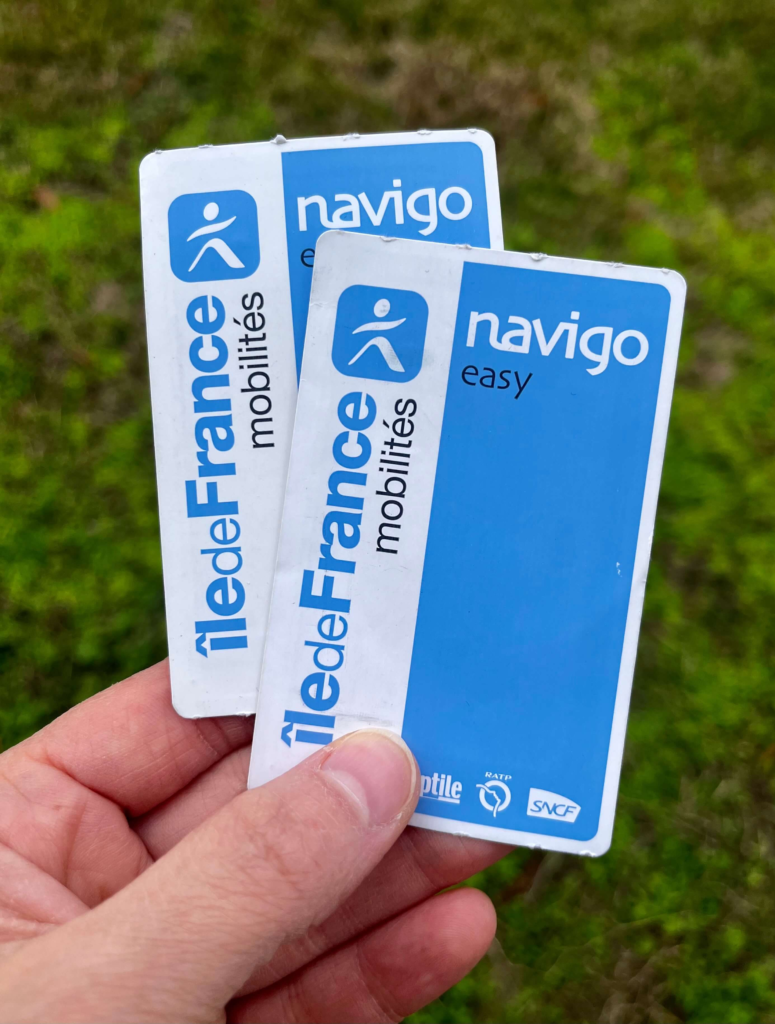
The Navigo Easy Pass is a reusable, contactless card designed for short-term visitors. It can be loaded with single tickets or carnets and does not require a photo or personal information. This option is ideal if you prefer not to deal with paper tickets and want an easy, reloadable solution during your stay.
One option is the One-day Navigo travel card, which includes zones 1-5 via metros, RER, buses, trams, C1 cable and suburban trains, excluding assess to airports and costs €12.00 per day. This pass can be purchased the day of or up to 6 days in advance.
Another option to purchase would be the Paris Visite travel pass. The Paris Visite Pass is designed specifically for tourists and offers unlimited travel for a set number of days, along with discounts at select attractions.
While convenient, it is often more expensive than other options and is best suited for travelers who prioritize simplicity over cost savings.
This pass includes unlimited travel across all public transportation networks such as metros, trams, buses, C1 cable, RER and SNCF Transilien train lines within Paris and the Île-de-France region, including access to airports, Disneyland, and Palace of Versailles.
The price for the Paris Visite travel pass starts at €29.90 for adults and €14.95 for children for 1 day, and you can purchase up to 5 consecutive days worth.
Please note: When it is loaded on a Navigo Easy pass, you will need to write your full name on the back of the pass for it to be deemed valid, as the Paris Visite pass is personalized and non-transferable.
Navigo Découverte and Weekly Passes
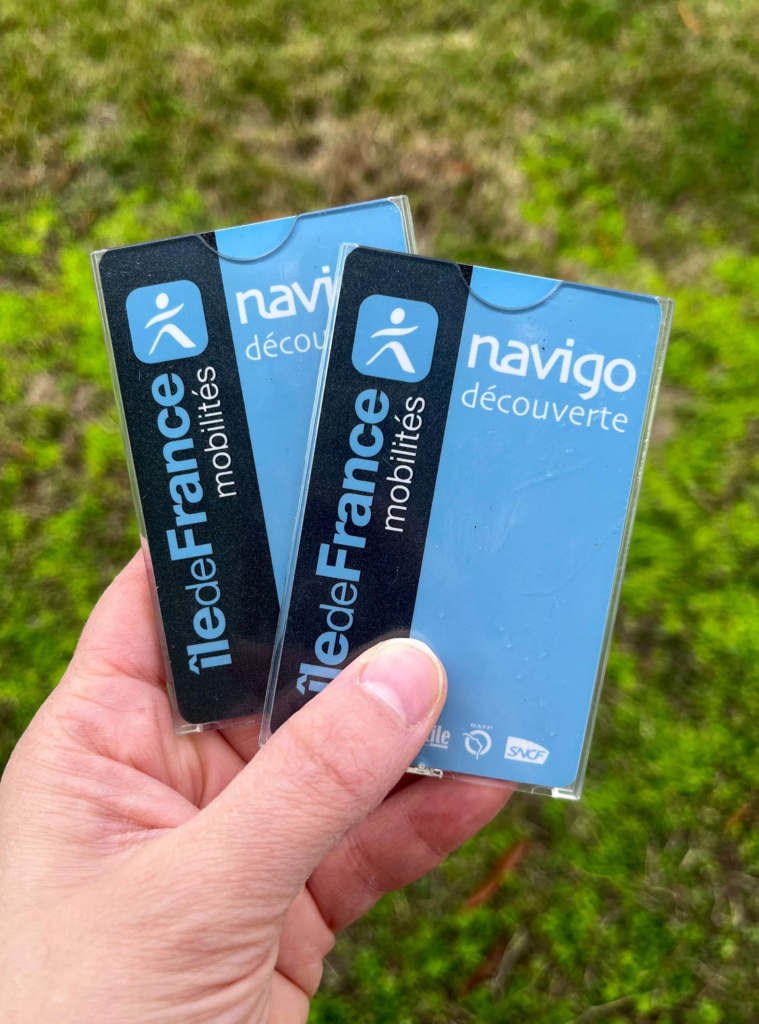
For travelers staying longer or planning extensive travel, the Navigo Découverte pass offers unlimited travel across selected zones for a week or month.
This pass requires a small photo and is valid from Monday to Sunday, regardless of when you purchase it. While it may not suit short weekend trips, it can be an excellent value for longer stays or travelers planning multiple day trips.
We did purchase this on our first trip to Paris with little research. We were lucky we didn’t get stopped to assess our passes because we didn’t have a little photo with them, and we could have gotten a fine.
There are also long term Navigo passes, such as Mois (monthly) travel card, Annual Navigo travel card, and Navigo Liberté +, all for people staying or living in Paris long term.
Know Your Zones
You’ll need to know the zones in Paris you’ll be in to know what tickets or travel passes are right for you. Knowing which zones you’ll be traveling in will save you money when purchasing your tickets and passes.
Zone 1: Central Paris
Zone 1 consists of all arrondissements from the the 1st to the 20th.
You can travel to all the best landmarks and sites in the city, such as Sacré Coeur Basilica and Montmartre, Eiffel Tower and the Trocadero gardens, concerts at the Accor Arena, Champs Élysées and Arc de Triomphe, Notre-Dame Cathedral and the Latin Quarter, and everything in between.

Zone 2: Inner Paris Suburbs
In Zone 2, this covers the inner suburbs of Paris, such as Hauts-de-Seine, Seine-Saint-Denis, and Val-de-Marne.
Options in Zone 2 include the towns of Boulogne-Billancourt, Issy-les-Moulineaux, Montrouge, Ivry, Aubervilliers and Montreuil. This also give you access to Stade de France for cultural and sporting events, Domaine national de Saint Cloud, Île Seguin, Pavillon des Indes, and much more.
Zone 3: Area Around the Inner Suburbs
Zone 3 covers a bit further out, which is the towns and regions surrounding the inner suburbs, including the towns of Asnières, Saint-Cloud, Saint-Denis, Courbevoie, Meudon and Sceaux.
In Zone 3, you can travel to Château de Malmaison, Cité du cinéma, Meudon Astronomical Observatory, Parc national de Saint-Cloud, and again, much more.
Zone 4: Outer Suburbs
Zone 4 covers the outer suburbs of Paris, including Essonne, Val-d’Oise, Seine-et-Marne, and Yvelines.
While traveling in Zone 4, you can travel to Château de Versailles, Orly Airport, Château de Monte-Cristo, Saint-Georges church, Opéra de Massy, and other outer suburbs.

Zone 5: Rest of Île-de-France Region
The final zone, Zone 5 covers the rest of the Île-de-France region and some surrounding towns.
Zone 5 gives you access to Disneyland Paris, Roissy Charles de Gaulle Airport, Fondation Monet, Château de Fontainebleau, Thoiry Zoo, Rambouillet forest, and much more.
How to Use the Paris Metro
The Paris Metro is the fastest and most efficient way to get around the city. Stations are clearly marked with a large “M” sign, and entrances are plentiful throughout Paris. Once inside, maps and signage guide you toward your line and direction.
Metro lines are identified by numbers and colors, and each line runs in two directions based on its final stop. When navigating, focus on the line number and direction rather than the station name alone.
Platforms and trains are well marked, and announcements are made in French, with some lines offering English announcements as well.
Trains run frequently, often every few minutes, making the metro incredibly reliable. During peak hours, it can be crowded, but the system is generally efficient even at busy times. The metro typically operates from early morning until around midnight, with extended hours on weekends.
Using the Paris Bus System
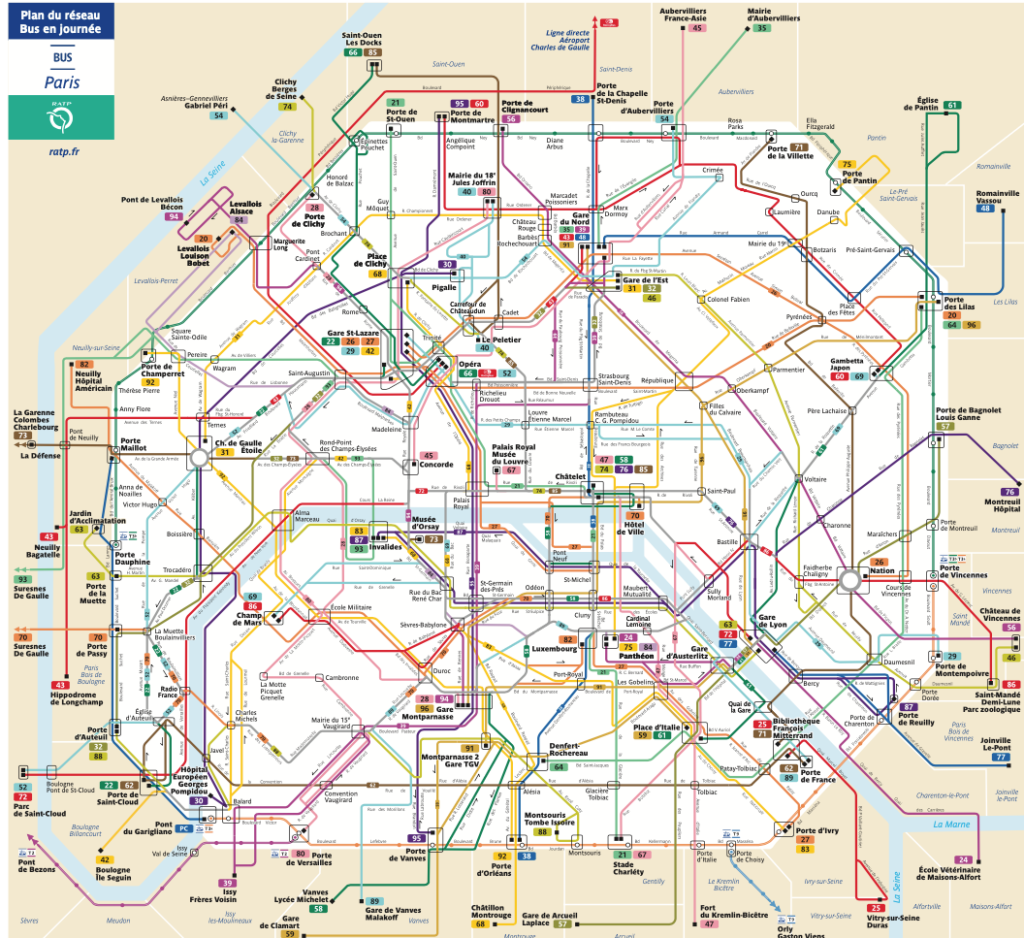
While the metro is fast, the bus system offers a more scenic way to explore Paris. Riding the bus allows you to see famous landmarks, charming neighborhoods, and daily Parisian life as you travel. Buses are especially useful for short distances or areas where metro access is limited.
Bus stops are clearly labeled, and routes are posted with maps and schedules. You can enter buses at the front and validate your ticket using the onboard machine. Unlike the metro, buses allow transfers within a set time window, making them convenient for surface-level travel.
Buses run frequently during the day, though service may be reduced in the evening. While slower than the metro, buses offer a more relaxed way to move around the city.
Taking the RER Trains
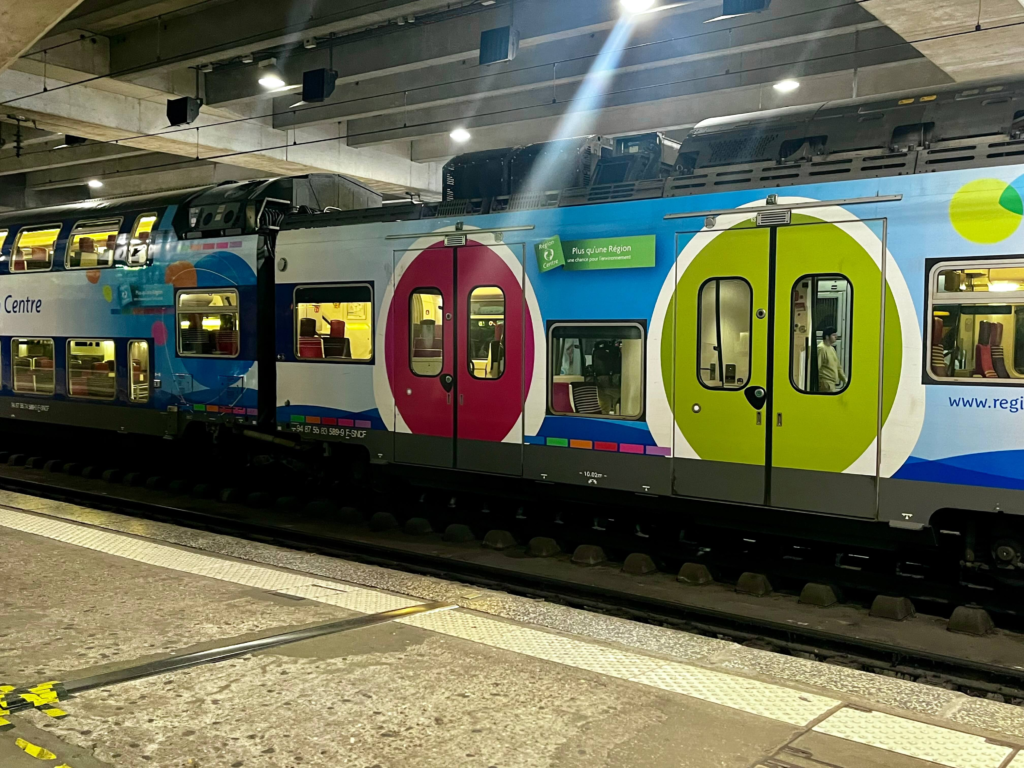
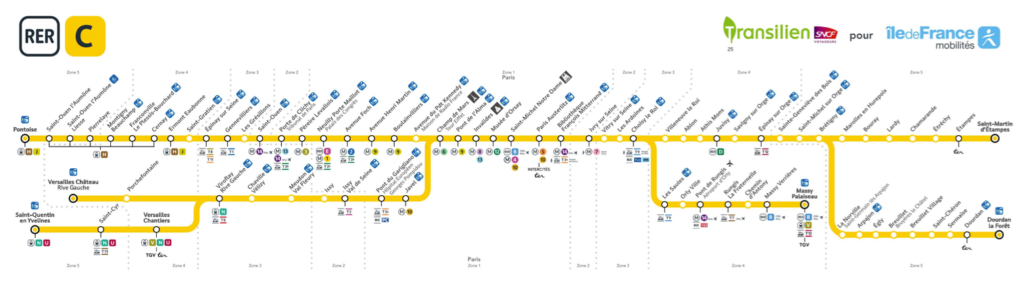
The RER is a regional train system that connects Paris with its suburbs and major destinations outside the city center. While it can feel intimidating at first, the RER is essential for trips to places like Charles de Gaulle Airport, Versailles, and Disneyland Paris.
RER lines are labeled with letters rather than numbers, and stations often connect directly with metro lines. Ticket pricing depends on zones, so it’s important to ensure you have the correct ticket before boarding. Once onboard, trains are fast and comfortable, making longer journeys efficient.




Tips for Using Public Transportation
Using public transportation in Paris is easy once you know a few essential travel tips for navigating the Paris Metro, buses, and RER trains efficiently. These travel tips will help you get around Paris smoothly and confidently.
Download the App
There are two possible apps to download to purchase your tickets or passes for traveling in Paris. These two apps are IDF Mobilités and Bonjour RATP.
Using one of the apps is a convenient way to keep everything in one place, avoid misplacing or losing your physical ticket or pass, assist with navigation, see any disruptions on your routes, and can validate your ticket or passes. You can even purchase or add to your passes.
Validate Your Ticket
One of the most important tips for using public transportation in Paris is to always validate your ticket. Failing to do so can result in fines, even if you purchased a valid ticket. Keep your ticket accessible until you exit the station or complete your journey.
Use Google Maps to Navigate
Using navigation apps like Google Maps or Citymapper can make getting around Paris easy and effortless. These apps provide real-time updates, route suggestions, and platform information, helping you choose the fastest or most convenient option.
I have used Google Maps all over Europe, especially when using public transportation. When using the metro, tram, or buses, it will give you the number of stops until your destination and offers multiple routes. I cannot recommend using this app enough for ease of travel.
Be Aware of Pickpockets
Lastly, remain aware of your surroundings, especially in crowded stations. Like any major city, Paris has pickpockets, particularly on busy lines and tourist-heavy routes. On the metro especially, they will try to target people, and they’re too dang good, to the point you wouldn’t even feel anything.
I recommend a small belt bag to keep in the front of you, or an anti-theft purse to protect your belongings.

Public transportation in Paris is affordable, reliable, and designed to make the city accessible to everyone. Whether you’re hopping between museums, heading out for a day trip, or simply exploring different neighborhoods, the system allows you to experience Paris like a local. With this guide in hand, you’ll be well prepared to confidently navigate public transportation in Paris and make the most of your time in one of the world’s most iconic cities.